Guides · Cost
CGI costs explained.
Ask three studios for the price of “a CGI” and you’ll get three very different numbers. That’s not evasion – it’s because a CGI isn’t a fixed product. This guide explains what you’re really paying for, the factors that move the price, and how to brief so the quotes you get back are fair and comparable.
Why there’s no single price
You’re buying time and craft, not a stock image.
Every element in a CGI is built and lit by a person: the building modelled from drawings, the surroundings assembled, the light, the materials, the people and the mood all judged by eye. The price reflects how much of that skilled time a particular image needs. A simple view of a straightforward building is quick; a hero shot of a complex scheme, or a verified view that has to be provably accurate, is not.
Understanding that is the key to reading a quote. A higher price usually buys more time on detail, accuracy or finish – not a bigger margin. And the cheapest quote is often cheapest because it assumes less of all three.
What moves the price
Six things that decide the number.
01
Number of views
The model is built once, so each additional view of the same scheme is usually more economical than the first. A set of images rarely costs the single-image price multiplied out.
02
Level of detail and finish
A quick contextual view and a polished hero image can show the same building and cost very differently. The difference is the hours spent on materials, lighting, planting, people and atmosphere.
03
Complexity of the scheme
A single unit is simpler than a dense mixed-use masterplan with lots of surrounding context to build. The more there is to model and light, the more time it takes.
04
Illustrative or verified
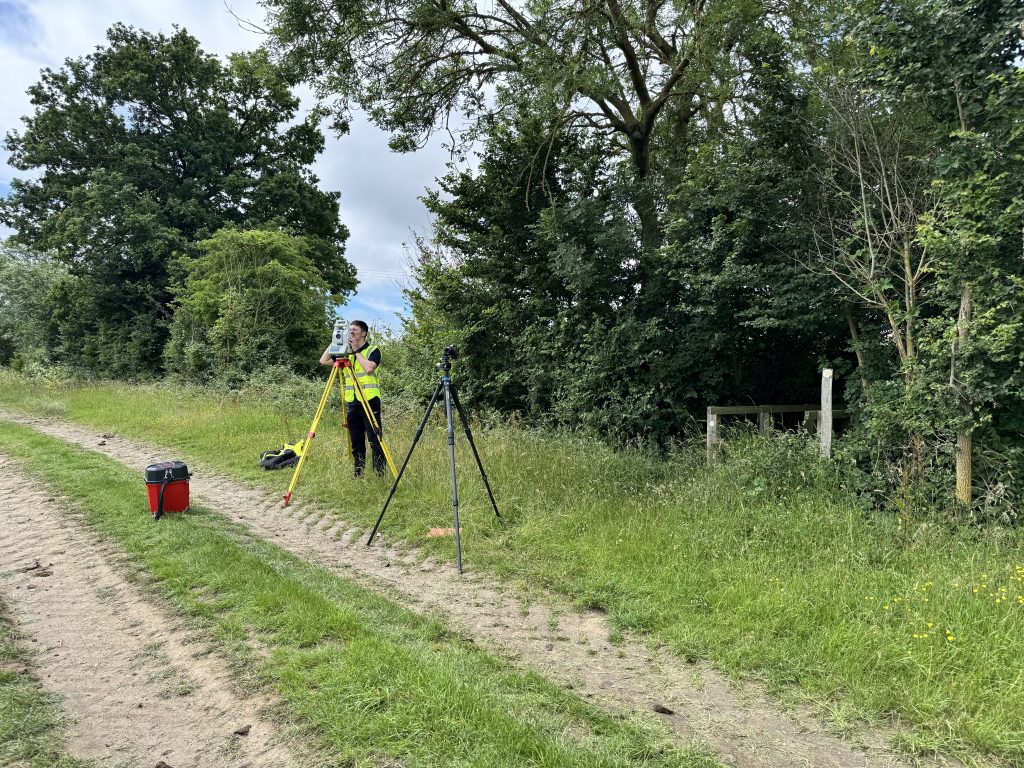
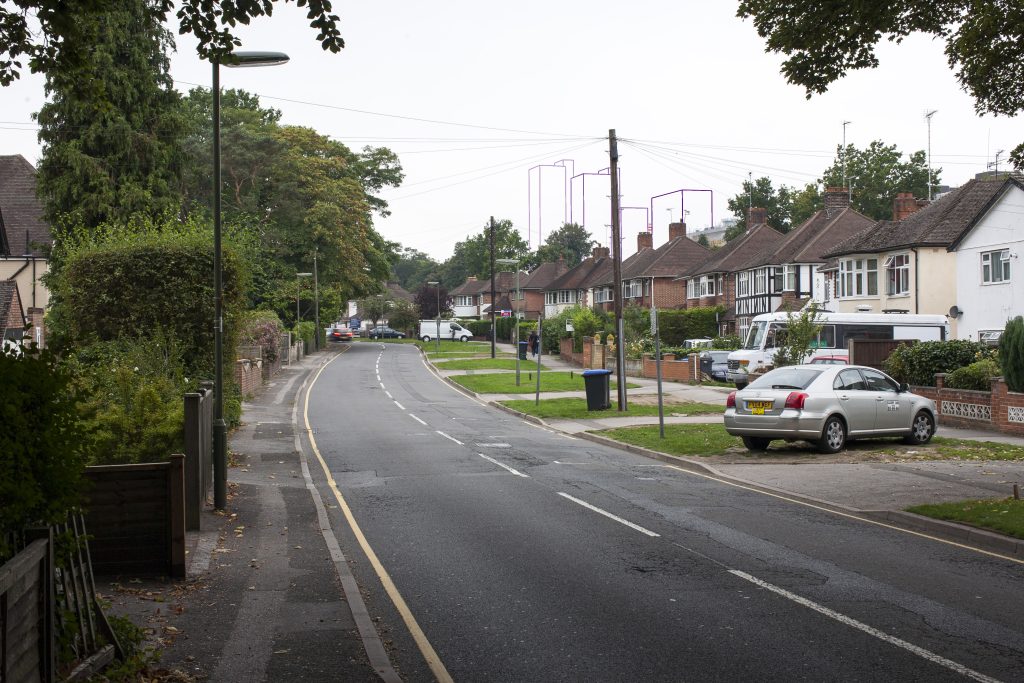
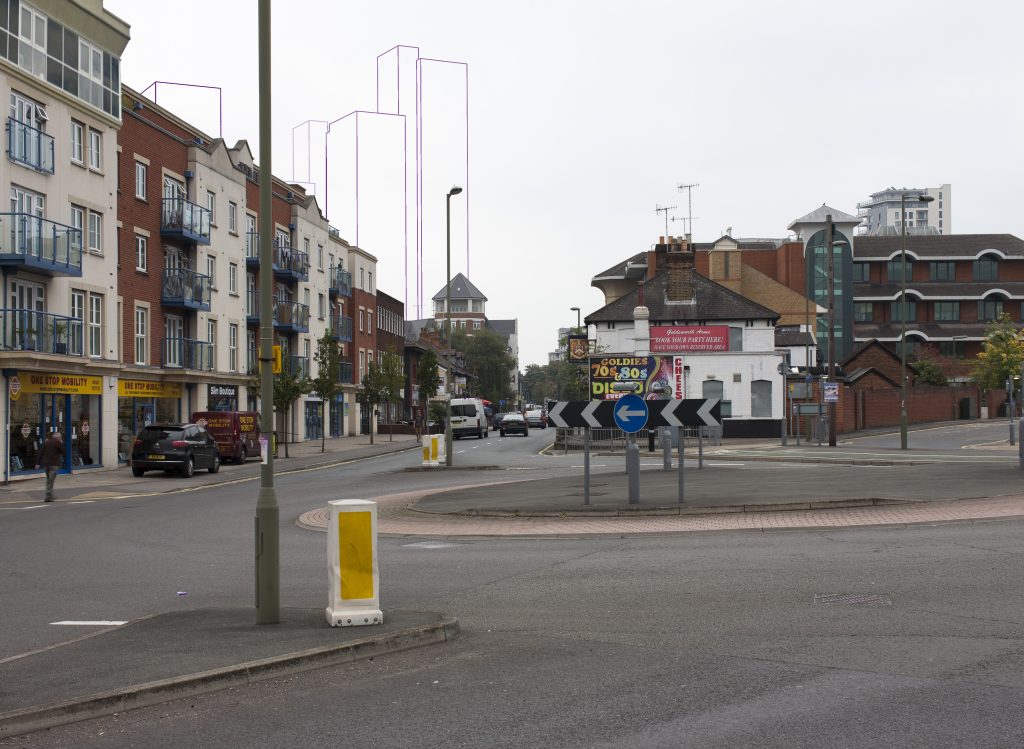
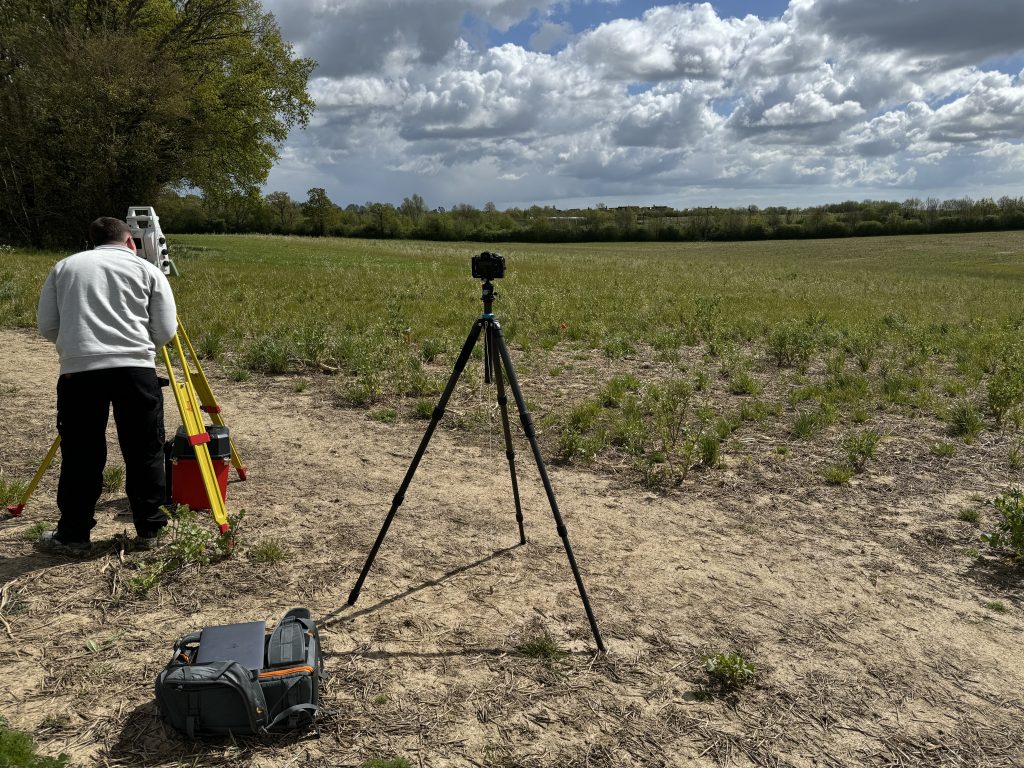
A verified view for planning needs survey data, located photography and a documented method. That rigour costs more than an illustrative marketing image, because proving accuracy is extra work. More on verified views →
05
Stills, film or interactive
Animation and interactive content are built on the same 3D model but involve far more frames and production, so they sit above stills. Often the smart move is to build the model once and get several deliverables from it.
06
Revisions and deadline
A clear brief with a sensible number of review rounds keeps costs predictable. A very tight turnaround, or a design that keeps changing, adds time – and time is the cost.
Ballpark, honestly
What you get at each level.
Rather than pretend there’s one price, here’s roughly what different budgets buy. For our actual fixed prices, see the pricing page – we publish them because we think you deserve a straight answer before you pick up the phone.
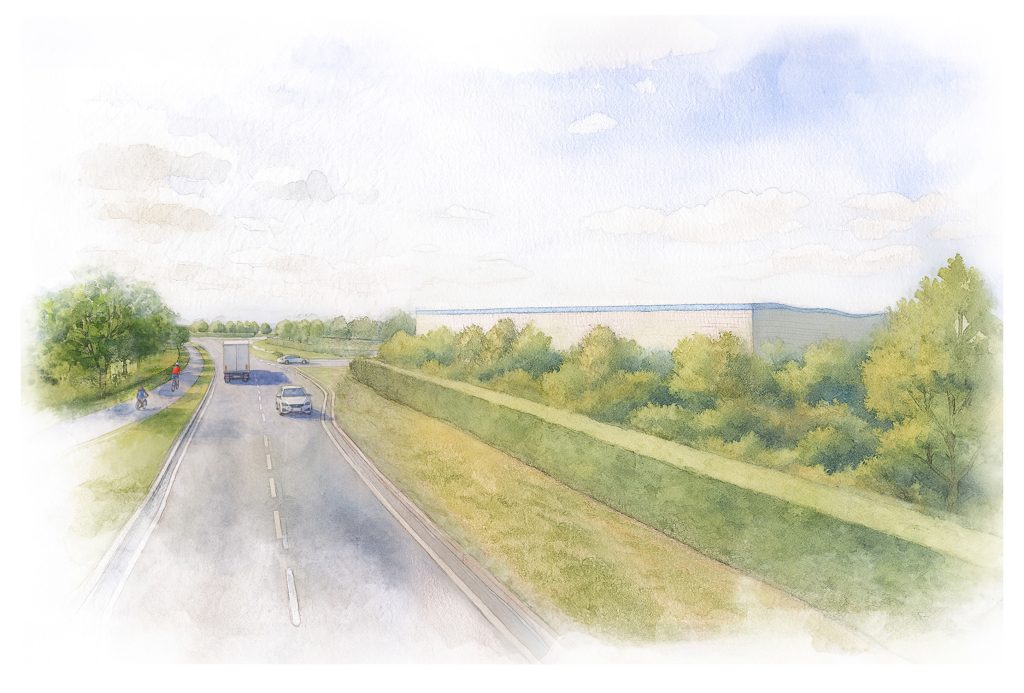
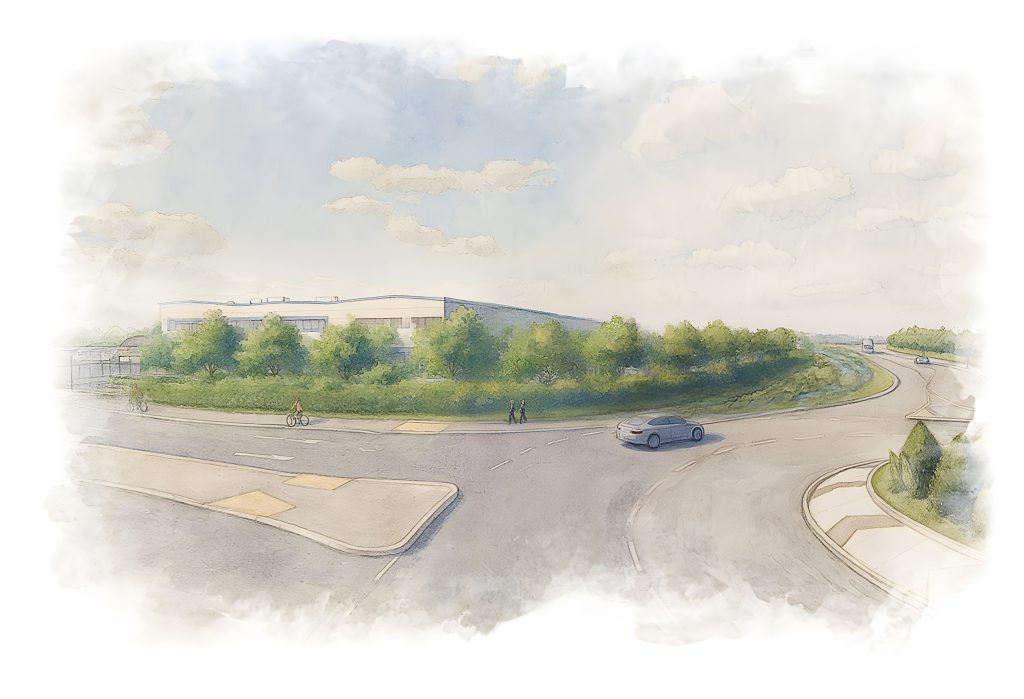
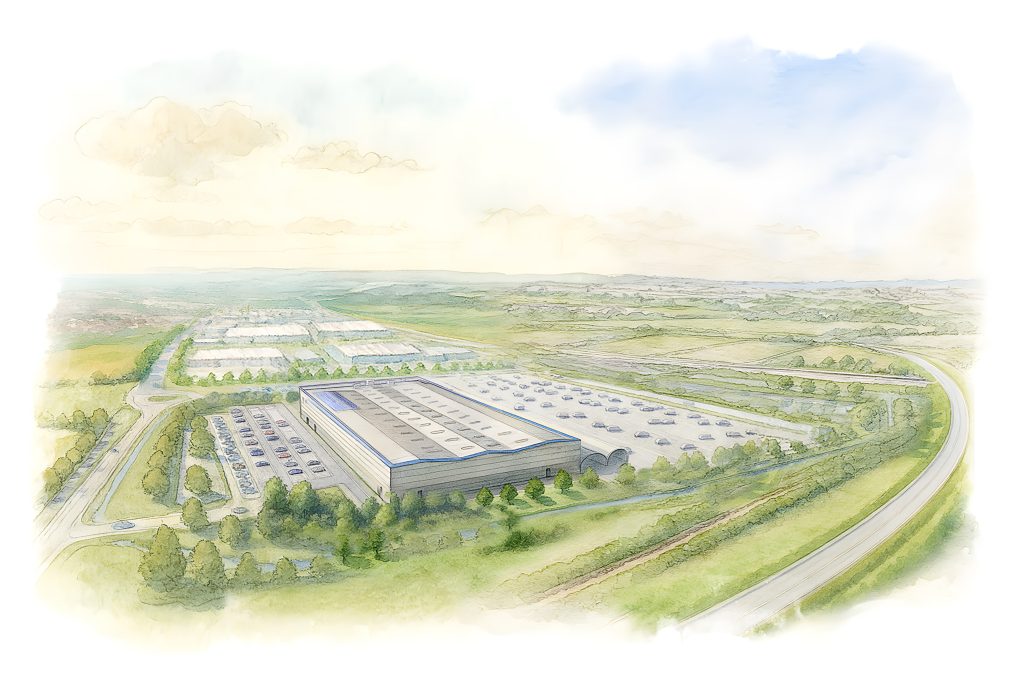
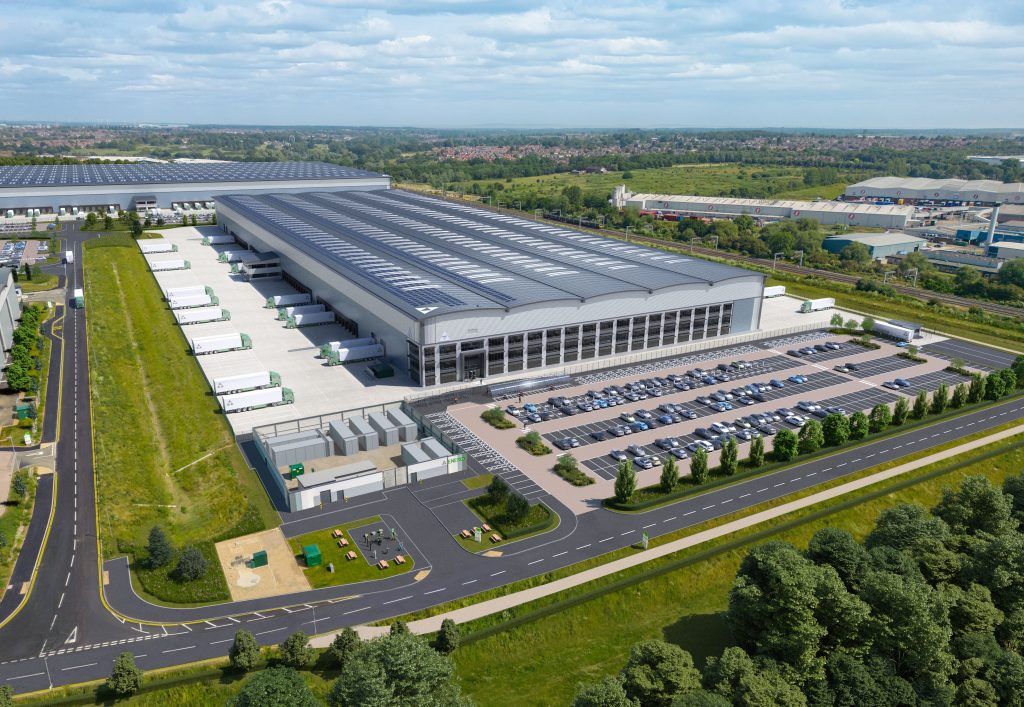
Illustrative CGI
A softer style of image for early stage projects where detail is not yet fully worked out, or where you don’t want to make your development look too ‘concrete’. Illustrative CGIs imply that the scheme is still open for debate.
These sorts of CGIs are still based around a 3D model, so scale, proportion and layouts are still accurate.
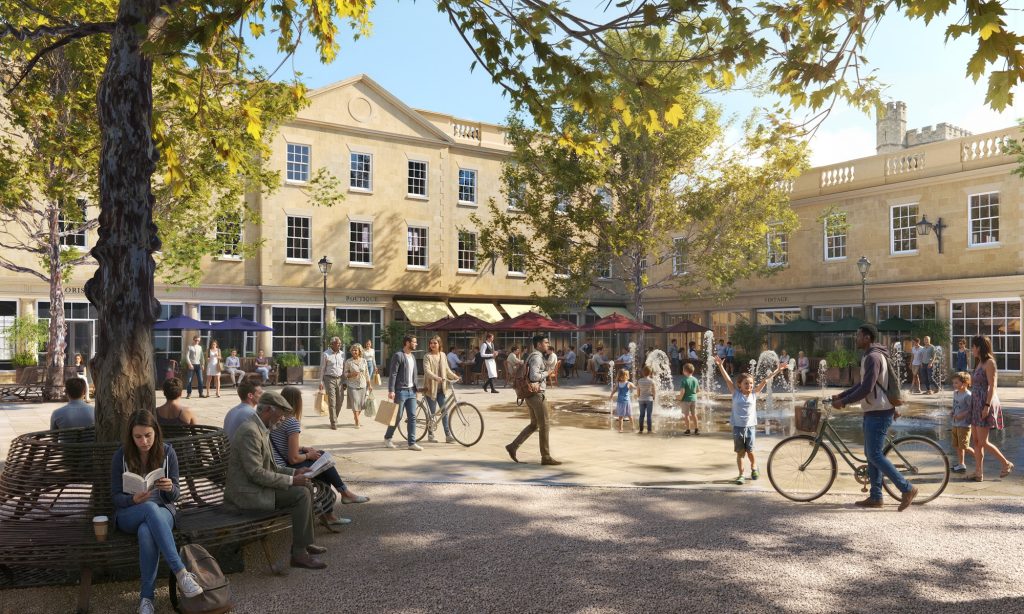
Premium or hero imagery
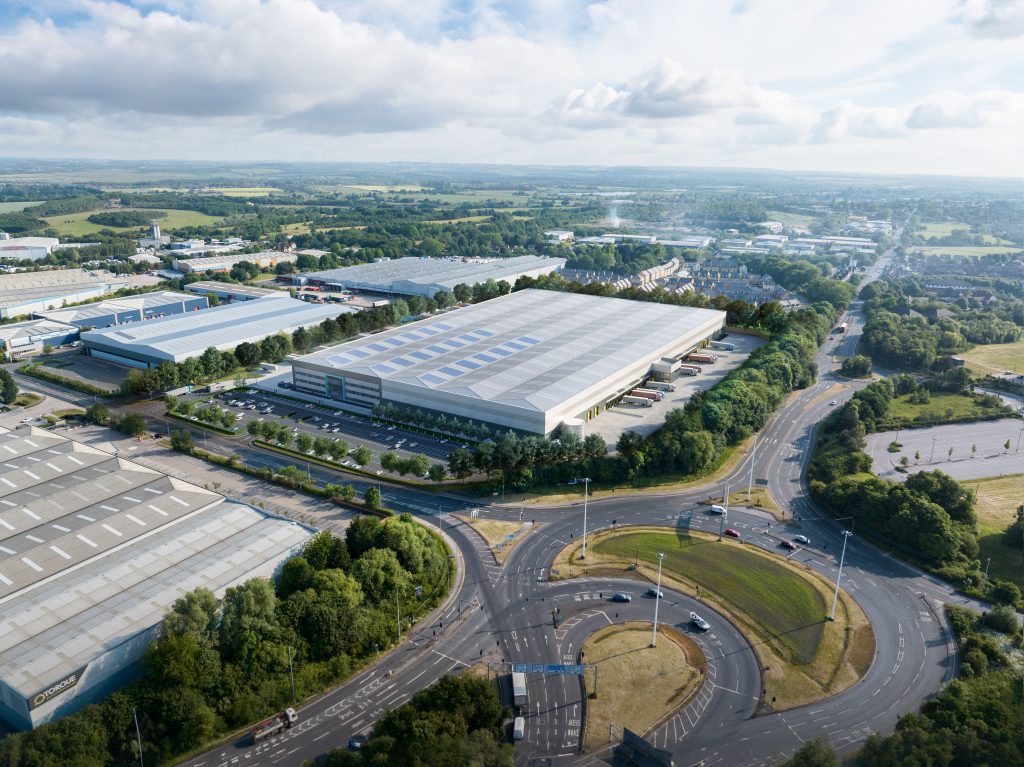
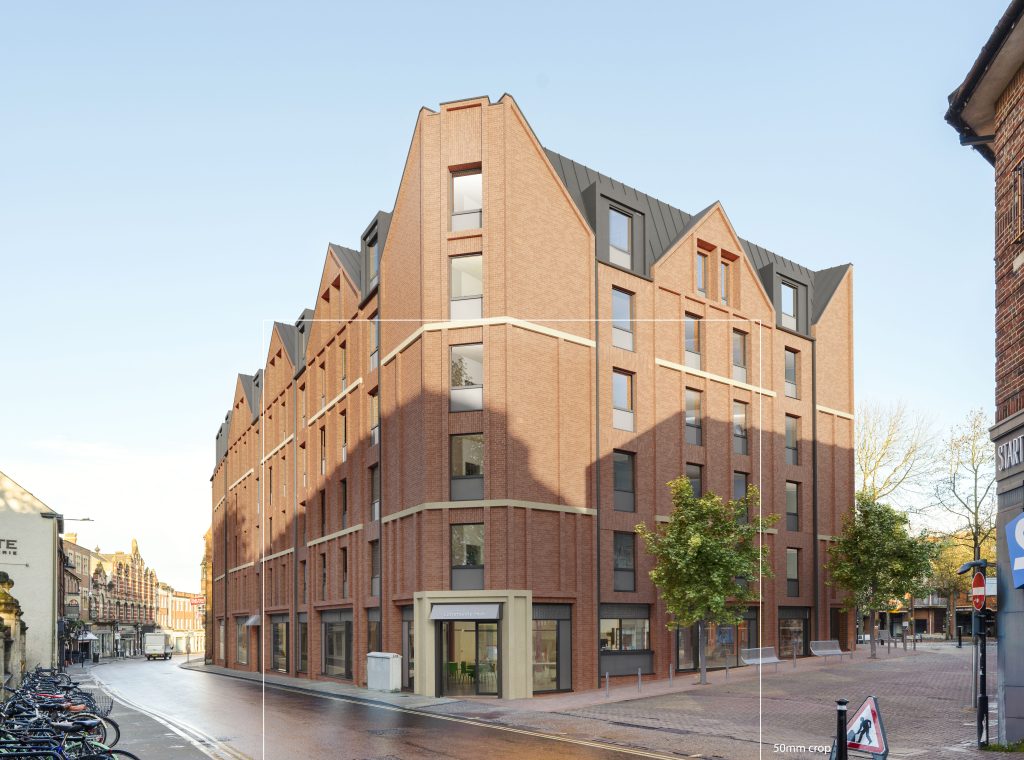
The lead image that carries a campaign – more time on lighting, atmosphere, people and detail, so it works at large scale and stands out.
The right people. The right planting. The right materials. The right vehicles.
Everything curated and considered to tell exactly the right story.
Designed to talk to the right audience.
Verified views for planning
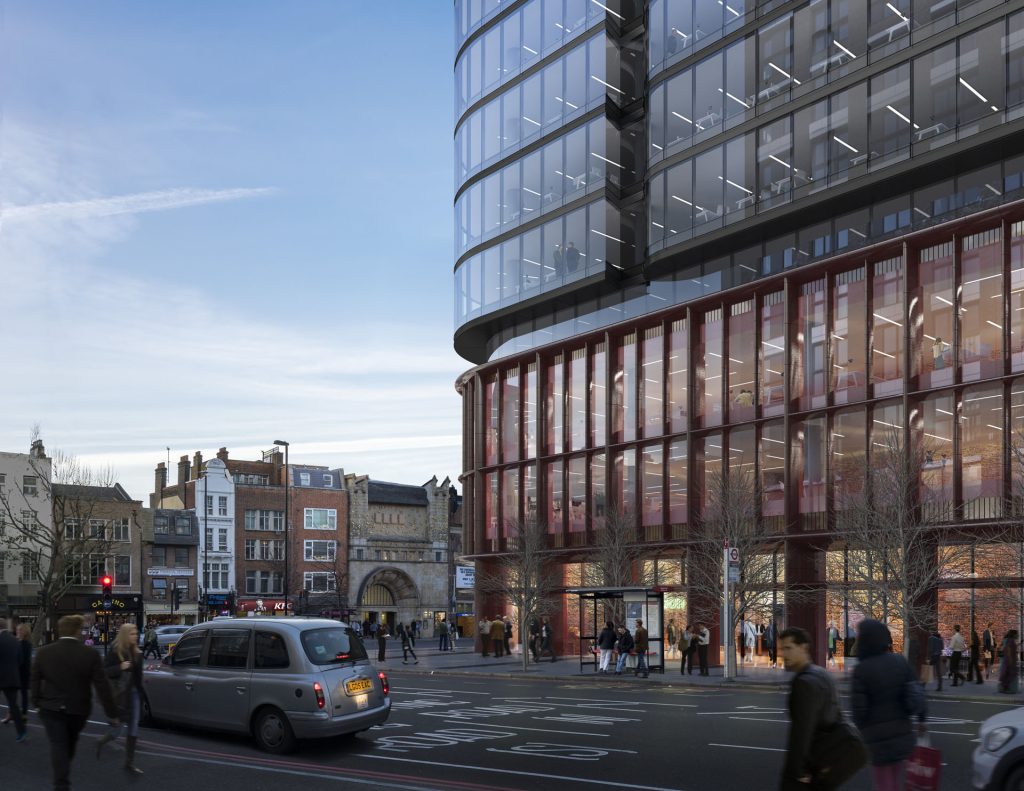
Survey-backed, provably accurate imagery for planning applications, appeal and inquiry. Priced for the rigour, not the pixels.
Images you can stand behind in confidence.
Film, animation & interactive
Movement and interaction from the same model – flythroughs, animation and interactive tools. The top of the range, and often the most memorable.
Getting a fair quote
How to brief so the numbers are comparable.
Say what it’s for
Planning, sales, investment or all three…or something else entirely! Are you simply trying to show what something will look like or are you trying to convince or change an opinion?
If the team understand the context and the audience, we have a full understanding of exactly what you need to achieve.
List the views
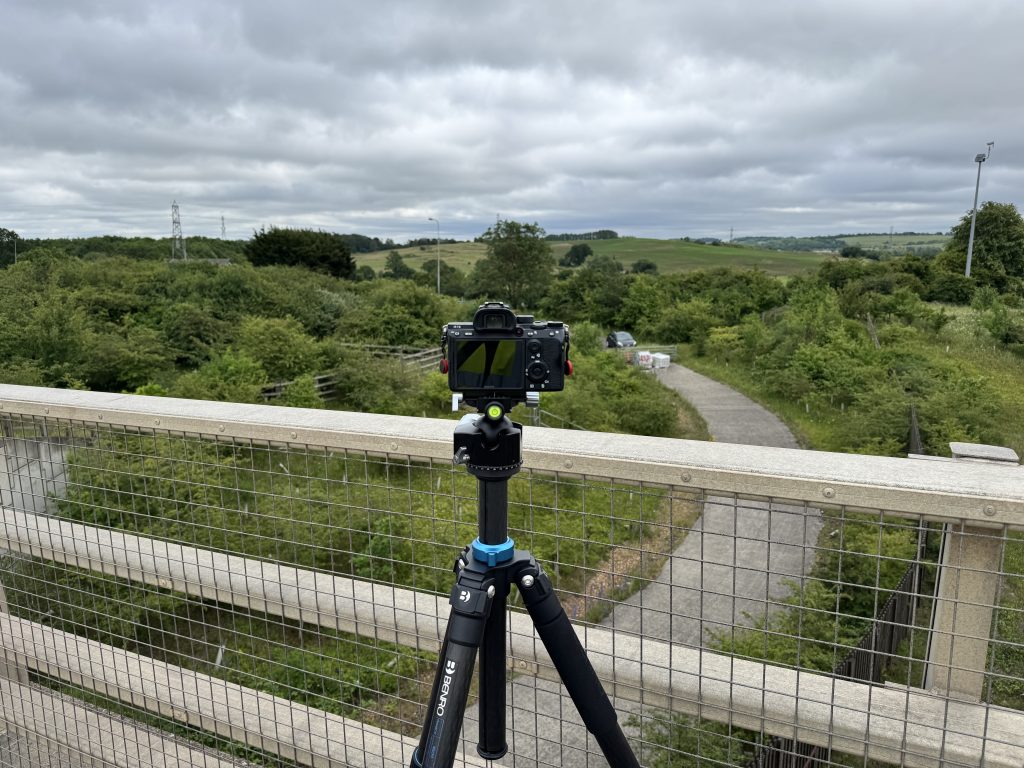
How many images, and roughly from where. Even an approximate view list lets a studio price accurately instead of guessing. This helps ascertain whether photography is needed, either from an eye level or a drone or a plane.
Share the drawings
Whatever you have – plans, elevations, a model, even sketches. Better information in means a tighter, more reliable price.
If you expect things to change or if the design is still evolving, let the know sooner rather than later so that this can be factored in. It’s better to know from the outset rather than at the last minute.
Be clear on the deadline
A realistic date lets us schedule properly. Tell us early if it’s tight – it’s better priced in from the start than bolted on later.
We will also be honest about what is achievable for the deadline. It may be that a phased delivery will help meet tighter deadlines.
The essentials
- CGI is priced by time and craft, not sold as a fixed product – which is why quotes vary so much.
- The big drivers are the number of views, the level of finish, the complexity of the scheme, and whether it’s illustrative or verified.
- Extra views of the same scheme are usually cheaper than the first, because the model is built once.
- Verified views cost more than illustrative CGI – you’re paying for provable accuracy.
- A clear brief gets a fair, comparable quote: say what it’s for, list the views, share the drawings, state the deadline.
Common questions
CGI costs, answered.
How much does a single architectural CGI cost?
It depends on the level of finish, the complexity of the scheme and whether it needs to be verified. Rather than give a vague range here, we publish fixed prices on our pricing page so you can see real numbers before you get in touch.
Why is one studio so much cheaper than another?
Usually because the cheaper quote assumes less – fewer hours on detail, a lower level of accuracy, or fewer revisions. That can be exactly right for a simple job. The thing to check is that you’re comparing like with like: same number of views, same finish, same accuracy level.
Is it cheaper to order several images at once?
Generally yes. The 3D model is the big build, and it’s done once. Additional views of the same scheme reuse that work, so a set of images rarely costs the single-image price multiplied by the number of views.
Are we the right studio for a simple, low-cost image?
Sometimes another supplier will be a better fit, and we’ll say so. Where we earn our fee is the complex, sensitive or high-stakes work – verified views, difficult sites, evolving designs. If your job is straightforward, we’re happy to point you in the right direction.
Keep reading
Related.
Our pricing
Fixed prices, published – what we charge and what’s included, with no black box.
See pricing →What is a verified view?
Why verified views sit at the top of the price range, and when you actually need one.
Read the guide →Marketing CGI & film
What high-end imagery, film and interactive can do for sales and investment.
Marketing work →Get a number
Want a real price for your scheme?
Tell us what you’re building, what the imagery is for and roughly how many views you need. We’ll come back with a clear, fixed quote – no black box.